One Major Dropshipping Challenge and How to Overcome That (2026 Guide)
❓ What is the biggest challenge in dropshipping and how can you fix it?
The biggest challenge in dropshipping is inconsistent supplier quality, which leads to returns, delays, and unhappy customers. You can overcome this by working with reliable, niche-focused suppliers and testing products before scaling.
Quick Summary
Dropshipping looks easy — but most stores fail due to one core problem: supplier inconsistency.
In this guide, you’ll learn:
- The biggest challenge in dropshipping
- Why most beginners struggle
- How to fix it step-by-step
- Real insights from experienced seller ecosystems
- Practical strategies to build a stable business
If you solve this one problem, your chances of success increase significantly.
Introduction
Many beginners think dropshipping fails because of ads, competition, or pricing.
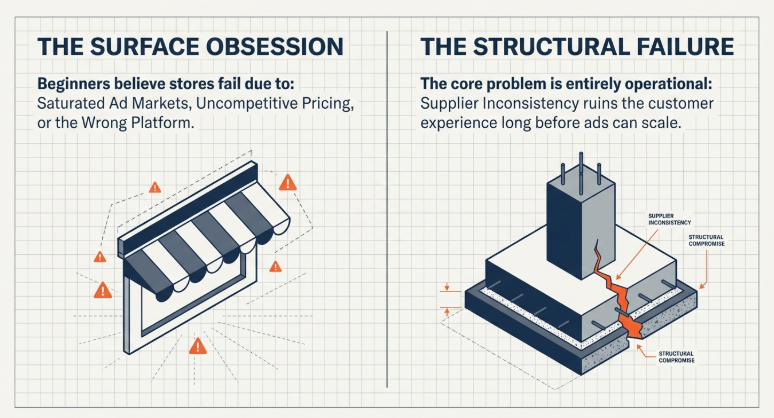
But the real issue is deeper.
👉 Most problems in dropshipping come from poor supplier systems.
This is why experienced sellers don’t just look for cheap products — they focus on working with trusted apparel suppliers in India for dropshipping to ensure consistency in quality and delivery.
If you’re just starting out, it’s also useful to understand common dropshipping mistakes and how to avoid them so you don’t repeat the same errors.
The One Major Challenge: Supplier Inconsistency
The biggest challenge in dropshipping is not traffic or ads — it’s supplier inconsistency.
This includes:
- Poor product quality
- Size mismatches
- Delayed shipping
- Lack of proper packaging
🔹 Why This Happens
Most beginners:
- Choose the cheapest supplier
- Work with multiple random vendors
- Don’t test products
👉 Result: High returns, bad reviews, and wasted ad spend.
Real Impact on Your Business
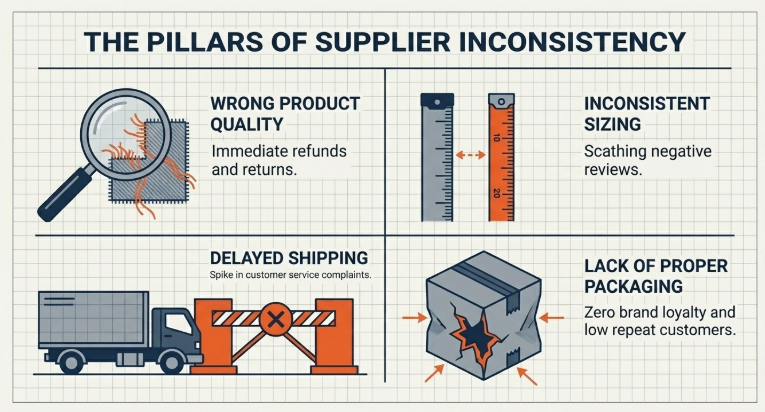
📊 What Happens When Supplier Quality is Poor
| Problem | Impact |
|---|---|
| Wrong product quality | Refunds & returns |
| Late delivery | Customer complaints |
| No branding | Low repeat customers |
| Inconsistent sizing | Negative reviews |
👉 These issues directly reduce profitability.
Snazzyway Insight (Real Seller Data)
Over time, a clear pattern has emerged in the dropshipping ecosystem.
Supplier systems that have been operating for many years and working with thousands of sellers tend to create more stable and scalable processes.
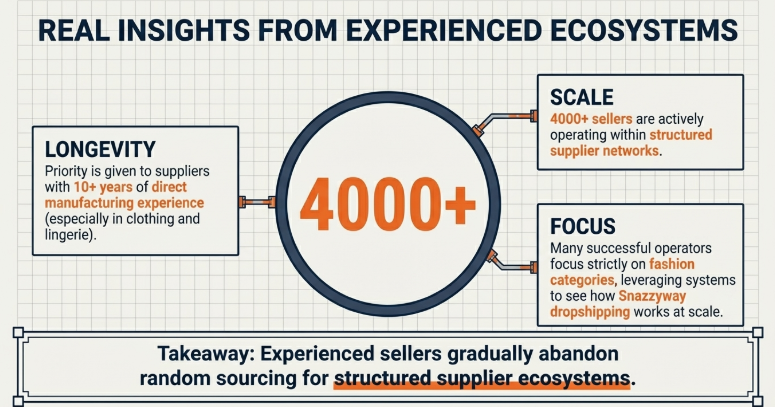
From real observations:
- 4000+ sellers are actively working within structured supplier networks
- Many successful sellers focus on fashion categories
- A large number prioritize consistency over low cost
Suppliers with 10+ years of experience and direct involvement in manufacturing — especially in clothing and lingerie — usually offer better:
- Product consistency
- Packaging quality
- Delivery timelines
This is why experienced sellers gradually move toward structured supplier systems instead of random sourcing.
How to Solve This Problem (Step-by-Step)
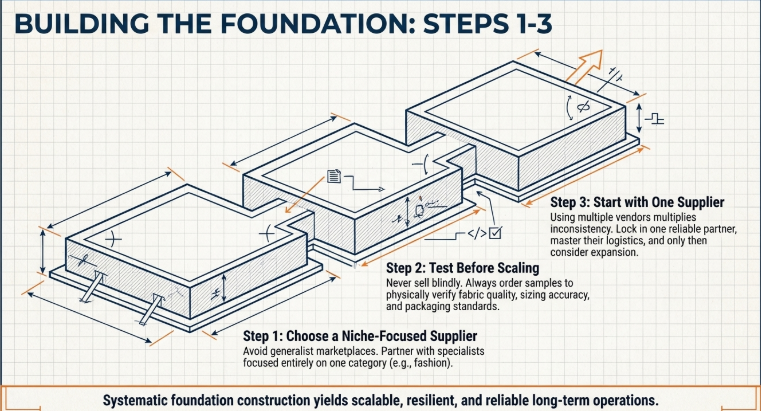
1. Choose a Niche-Focused Supplier
Avoid general marketplaces.
Instead, work with suppliers who specialize in one category (like fashion).
2. Test Products Before Scaling
Always order samples:
- Check fabric quality
- Verify sizing
- Evaluate packaging
3. Start with One Supplier
Using multiple suppliers increases inconsistency.
👉 Start with one reliable supplier, then scale.
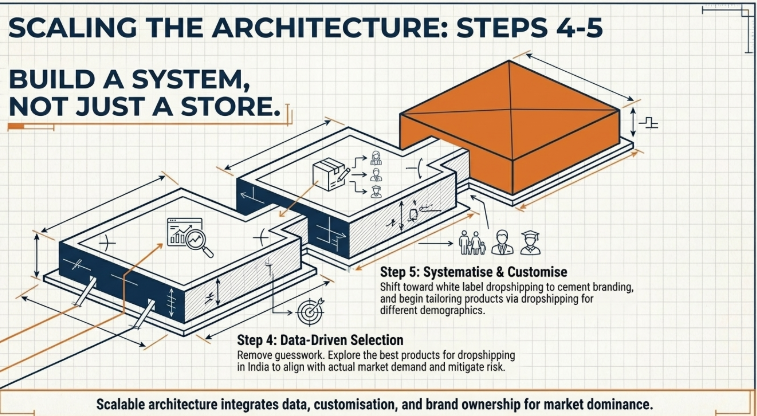
4. Focus on Product Selection
If you’re unsure what to sell, explore best products for dropshipping in India to understand demand and reduce risk.
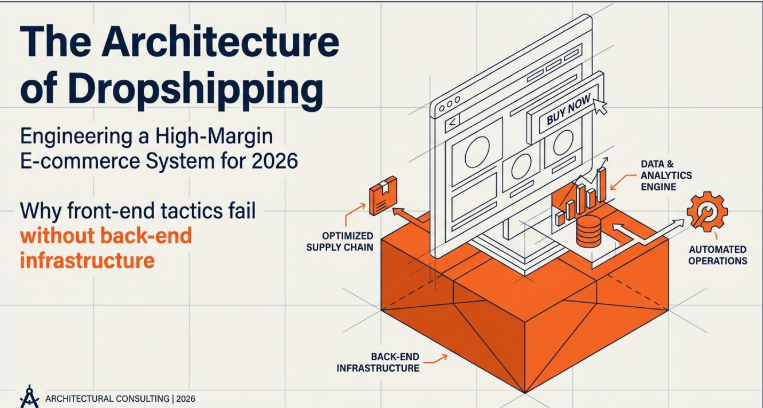
5. Build a System, Not Just a Store
Dropshipping success comes from systems, not shortcuts.
To understand how a structured backend works, you can study how Snazzyway dropshipping works and how suppliers manage operations at scale.
Platform Strategy (Where This Fits)
Different platforms handle supplier issues differently:
| Platform | Reality |
|---|---|
| Shopify | Easy start, but supplier dependent |
| Amazon | Strict policies, high risk |
| OpenCart | More control, needs system |
If you’re starting, learning Shopify for beginners helps you understand the basics before solving deeper challenges.
If you're considering marketplaces, it’s important to understand Amazon dropshipping in India and its limitations.
Real Example: How Successful Sellers Avoid This Problem
Successful sellers follow a simple structure:
- Stick to one niche (fashion)
- Work with consistent suppliers
- Focus on quality over price
- Build a brand
As they grow, many shift toward white label dropshipping to improve branding and customer trust.
They also tailor products and marketing using dropshipping for different demographics to increase conversions.
Pros and Cons of Fixing This Problem
✅ Benefits
- Lower return rates
- Better customer reviews
- Higher repeat purchases
- Improved profit margins
❌ Challenges
- Requires upfront effort
- Need to test products
- Slightly slower start
Our Recommendation
If you want to succeed in dropshipping:
👉 Focus on fixing supplier issues first.
Start with:
- One niche
- One reliable supplier
- Tested products
Then scale with:
- Branding
- Faster delivery
- Better customer experience
Our Insight
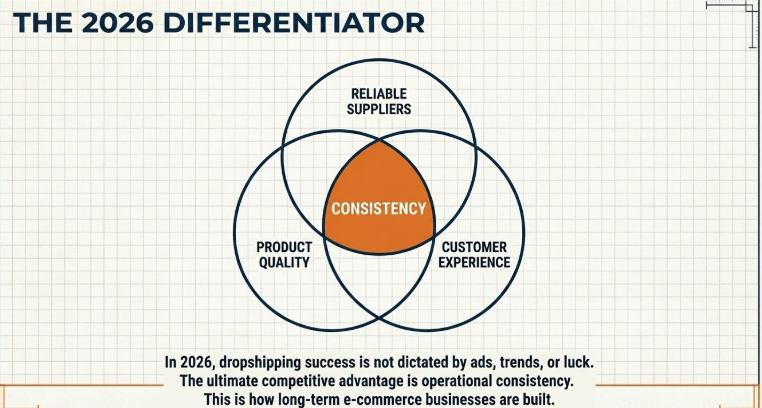
In 2026, dropshipping is no longer about quick wins.
The biggest difference between failing and successful stores is:
👉 Consistency
Not ads. Not trends. Not luck.
Sellers who focus on:
- Reliable suppliers
- Product quality
- Customer experience
👉 Build long-term ecommerce businesses.
FAQs
1. What is the biggest problem in dropshipping?
Supplier inconsistency leading to poor quality and delays.
2. How can I reduce returns?
Work with reliable suppliers and test products before selling.
3. Should I use multiple suppliers?
No, start with one to maintain consistency.
4. What niche works best?
Fashion and clothing due to high demand.
5. Can I build a brand with dropshipping?
Yes, especially using white label strategies.
Final Thoughts
Dropshipping is simple — but not easy.
If you fix the biggest problem (supplier inconsistency), you unlock:
- Better margins
- Happy customers
- Scalable growth
👉 Focus on systems, not shortcuts.