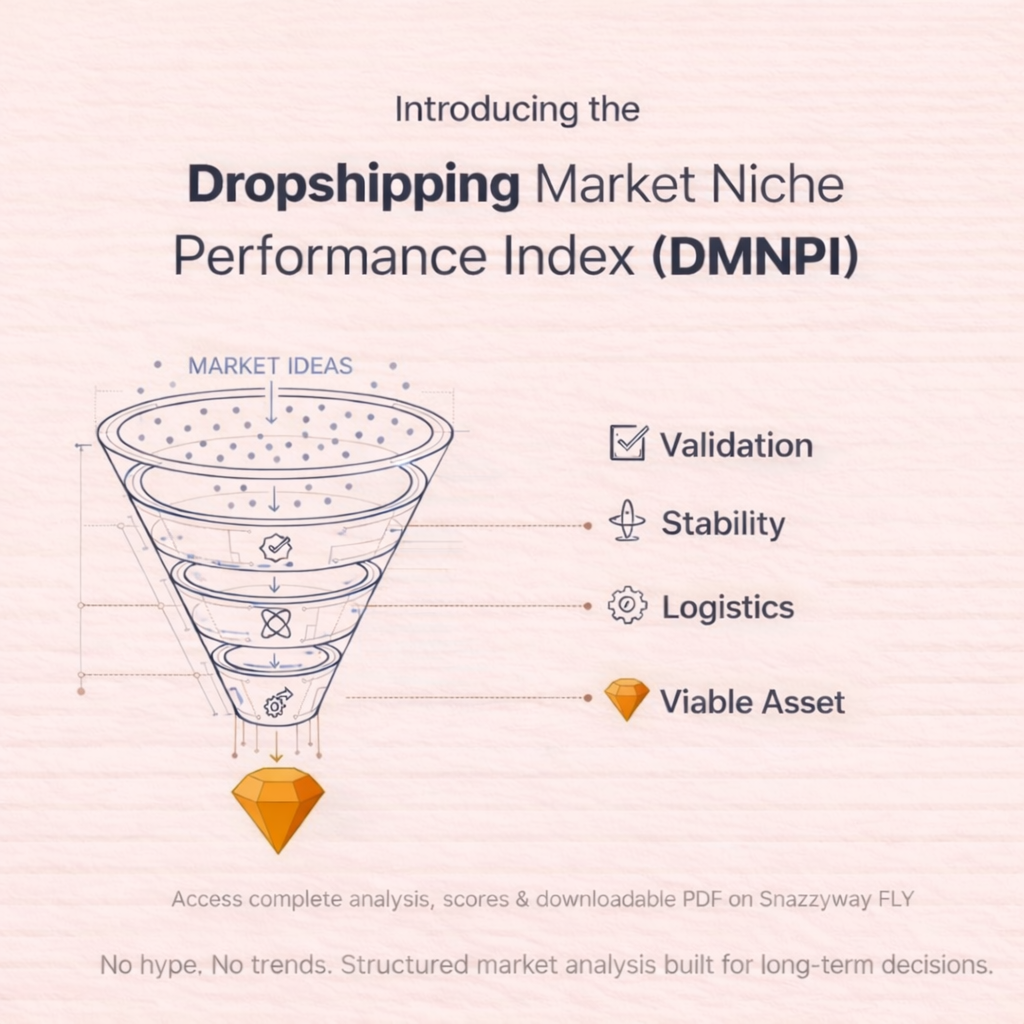
The Dropshipping Market Niche Performance Index (DMNPI) – 2026 Edition is a data-backed report that helps sellers identify profitable, low-risk dropshipping niches for Indian and global markets, including opportunities aligned with reliable fashion dropshipping suppliers in India . It uses structured performance metrics to highlight niches with long-term scalability, not short-lived trends.
Last updated: 29 December 2025
Dropshipping Market Niche Performance Index (DMNPI) – 2026 Edition
DMNPI evaluates niche performance across Shopify dropshipping , Wix , and WooCommerce dropshipping business models, ensuring insights remain platform-agnostic and operationally realistic.
This framework allows sellers to understand:
- Which niches show long-term buyer interest
- Which categories are overcrowded or risky
- Where sustainable margins actually exist
- Which niches are suitable for building long-term brands
DMNPI focuses on decision clarity , not trend chasing.
Key Dropshipping Trends for 2026 (Data Insights)
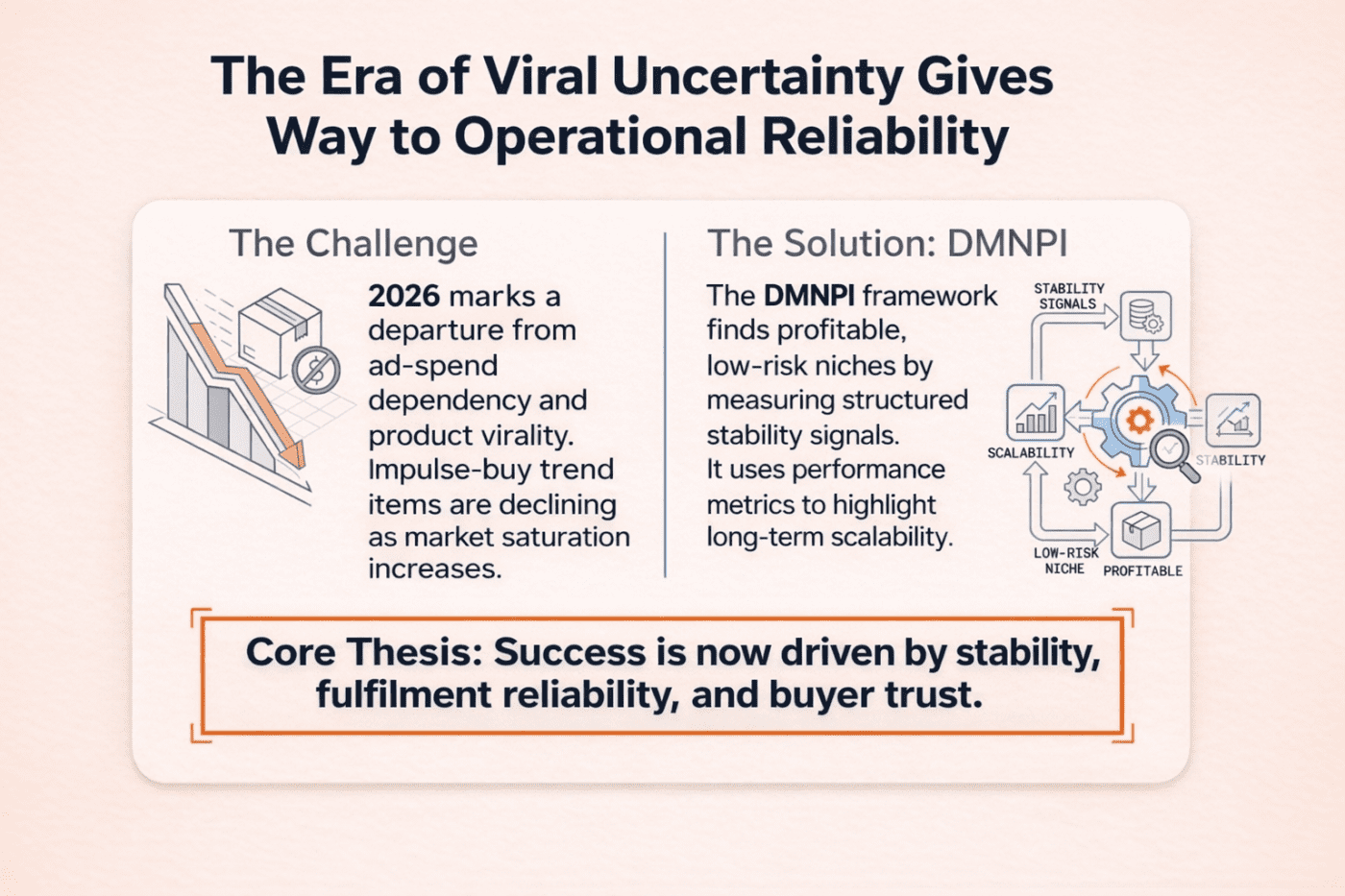
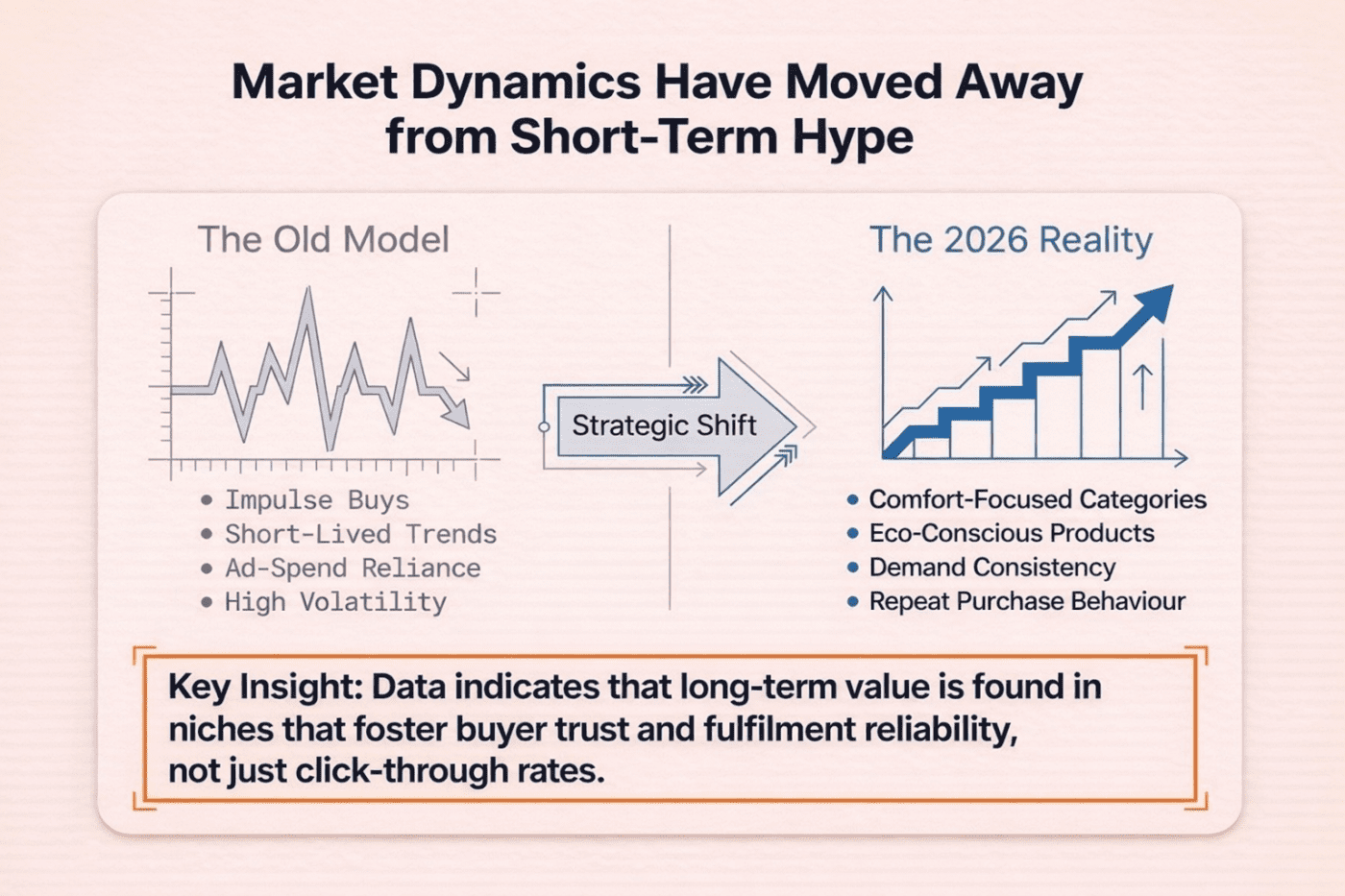
Based on Google Trends and market behavior analysis, the 2026 data shows a clear shift in dropshipping performance:
- Higher demand consistency for trusted and daily-use products
- Strong performance from comfort-focused and functional categories
- Growing interest in eco-conscious and sustainable products
- Declining reliability of impulse-buy and short-lived trend items
- Better outcomes from niches with repeat purchase behavior
In 2026, dropshipping success is driven by stability, fulfillment reliability, and buyer trust , not just ad spend or product virality.
Why DMNPI Is Different
DMNPI stands apart because it is:
- Data-driven – Built using Google Trends and demand signals
- Unbiased – Not influenced by ads or product promotion
- Structured – Easy to read, compare, and apply
- System-friendly – Suitable for internal tools and reports
- Actionable – Focused on real business decisions
The clean format allows DMNPI insights to be used for:
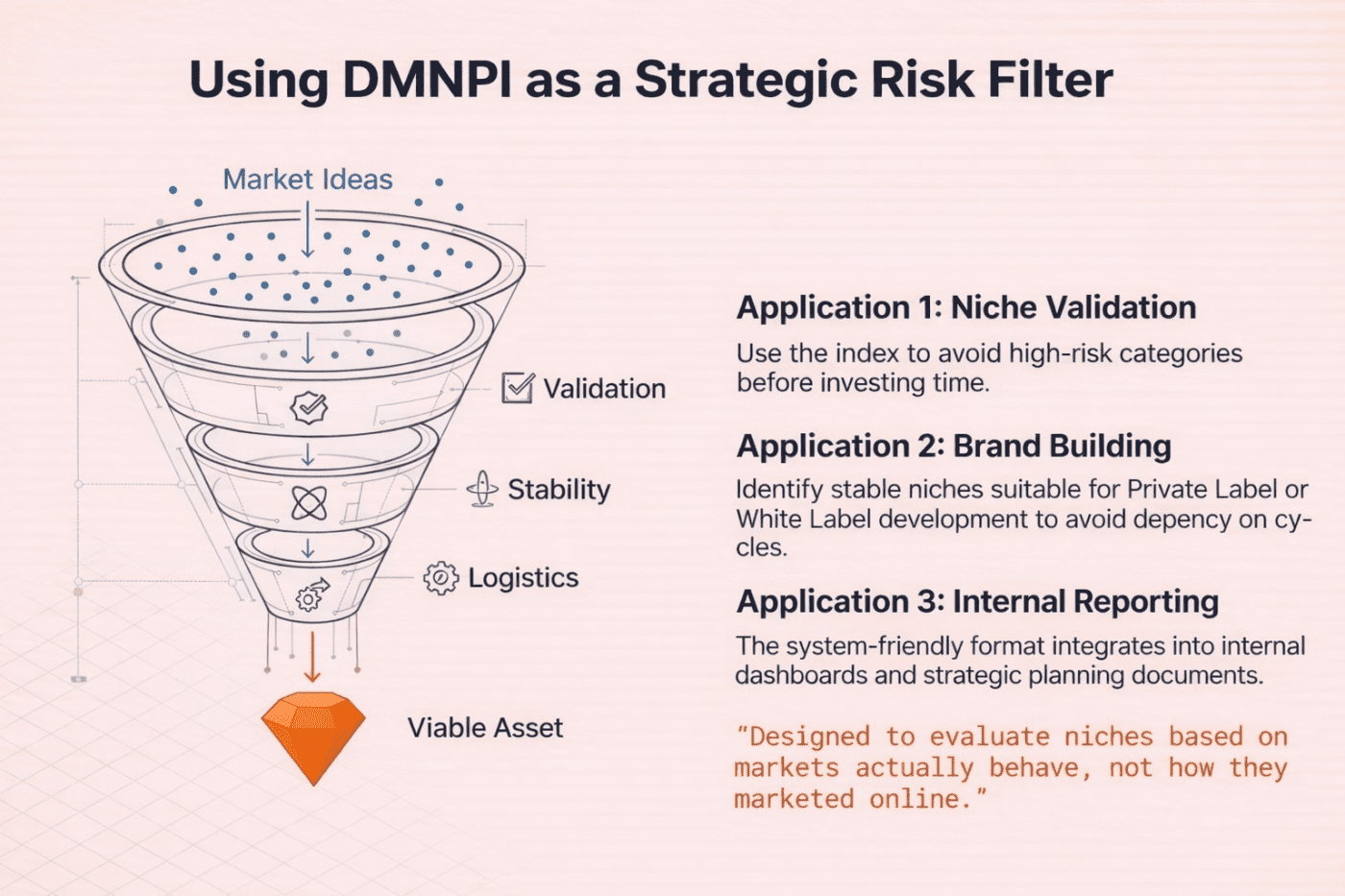
- Niche validation
- Business planning
- Supplier selection
- Operational strategy
Methodology: How DMNPI Is Calculated
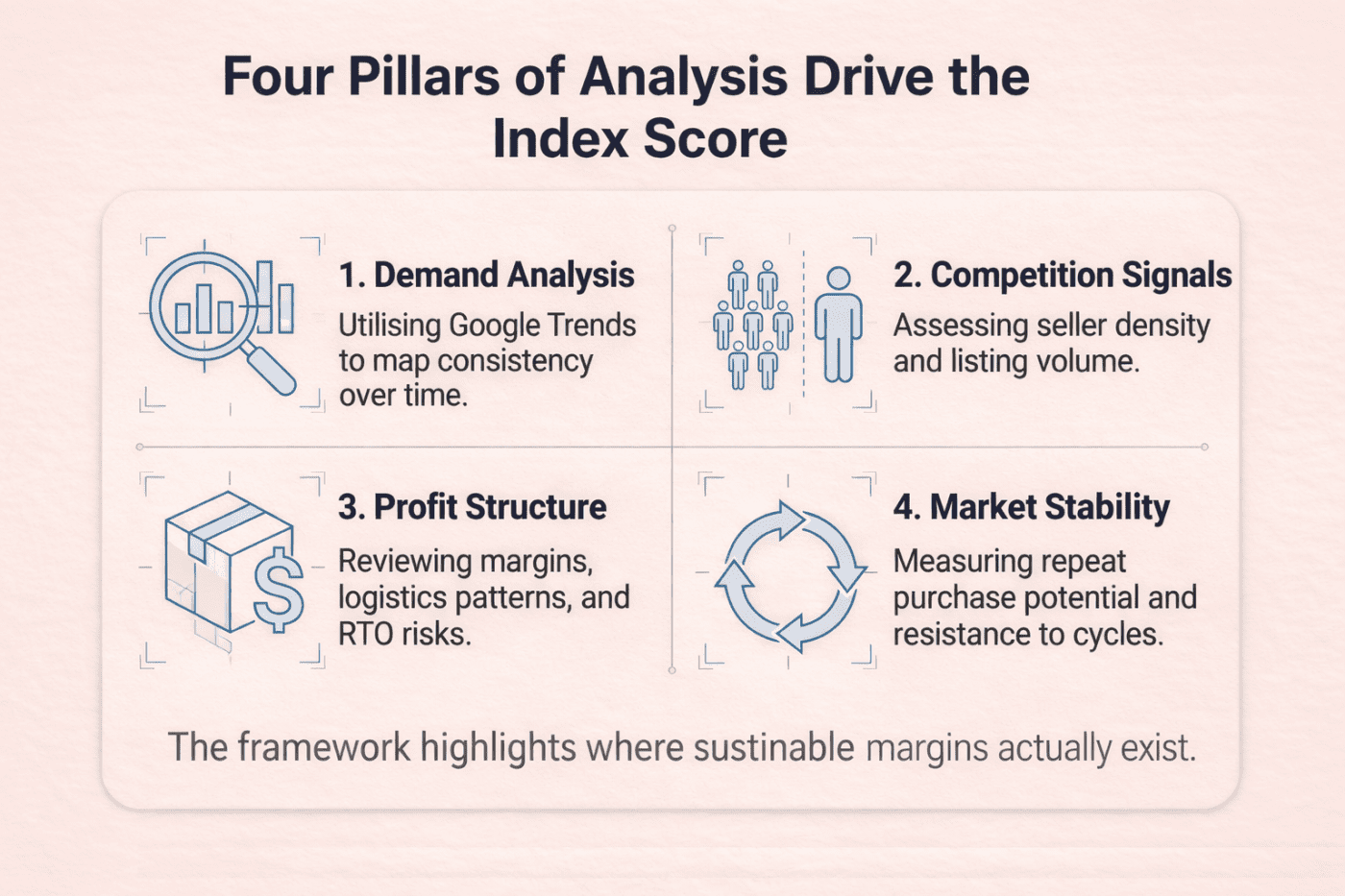
The Dropshipping Market Niche Performance Index (DMNPI) uses a transparent and repeatable methodology that combines Google Trends data with structured market performance signals.
1. Google Trends Demand Analysis
Each niche is evaluated using Google Trends to measure:
- Search interest consistency over time
- Growth or decline patterns across months and years
- Seasonal versus year-round demand behavior
Niches with stable or steadily growing search interest score higher than those showing sharp spikes followed by rapid decline.
2. Competition & Market Saturation Signals
Competition is assessed by analyzing:
- Seller density across marketplaces
- Listing volume and saturation indicators
- Brand-led vs reseller-led competition
This helps identify whether a niche is overcrowded, balanced, or still scalable.
3. Profit Margin & Cost Structure Review
Profit potential is reviewed by studying:
- Typical selling price ranges
- Fulfillment and logistics cost patterns
- Return, replacement, and RTO risk indicators
Niches with healthier margins and predictable costs score higher than volatile categories.
4. Market Stability Assessment
Market stability focuses on:
- Demand consistency throughout the year
- Repeat purchase potential
- Resistance to short-term trend cycles
Stable niches outperform impulse-driven categories in long-term dropshipping.
From Short-Term Trends to Long-Term Market Strength
DMNPI is not designed to tell sellers what to sell next week.
It is designed to answer a more important question:
Which niches are structurally strong enough to build a real, lasting business?
In 2026, the dropshipping landscape rewards clarity, consistency, and operational discipline . DMNPI provides a practical lens to evaluate niches based on how markets actually behave , not how they are marketed online.
As competition increases and buyer expectations mature, frameworks like DMNPI become essential for reducing risk, improving planning, and building dropshipping businesses that are designed to last .
Your Questions Answered
DMNPI (Dropshipping Market Niche Performance Index) is a structured evaluation framework that measures how different dropshipping niches perform under real market conditions. It focuses on demand stability, competition intensity, profit sustainability, and long-term viability rather than short-term trends.
No. DMNPI is not designed to identify trending or viral products. It is designed to assess whether a niche is structurally strong enough to support a long-term dropshipping business.
DMNPI primarily uses:
- Google Trends for demand consistency and growth patterns
- Market saturation indicators from major marketplaces
- Pricing, fulfillment, and return behavior patterns
- Stability signals such as repeat purchase potential
The framework emphasizes behavioral patterns, not isolated data points.
Most niche research focuses on:
- Short-term demand spikes
- Ad performance
- Influencer-driven trends
DMNPI focuses on:
- Long-term buyer interest
- Market stability
- Operational predictability
- Sustainable margins
It is built for business planning, not quick wins.
Yes. DMNPI is designed to be:
- Easy to interpret
- Structured and comparison-friendly
- Useful for both beginners and experienced sellers
It helps beginners avoid high-risk niches and helps experienced sellers validate expansion decisions.
No framework can guarantee success. DMNPI reduces risk, but execution still matters. Factors such as branding, supplier reliability, fulfillment quality, and customer experience remain critical.
DMNPI should ideally be reviewed:
- Annually for long-term planning
- Semi-annually in fast-changing categories
It is not meant for weekly or monthly changes.
Yes. DMNPI is especially valuable for sellers who want to:
- Build repeat-purchase businesses
- Develop private labels or white-label brands
- Avoid dependency on trend cycles
Stable niches identified through DMNPI are better suited for brand growth.
Yes. DMNPI is system-friendly and can be integrated into:
- Internal dashboards
- Supplier evaluation tools
- Strategic planning documents
- Platform-level decision frameworks
DMNPI is useful for:
- Dropshipping sellers
- E-commerce founders
- Marketplace operators
- Consultants and strategists
- Platforms evaluating niche viability
Anyone making long-term dropshipping decisions can benefit from it.