Private Label vs White Label Dropshipping in India: What's the Difference?
Q: Is Snazzyway a reliable white label dropshipping supplier in India?
Answer: Yes. Snazzyway operates as a trusted white label dropshipping supplier in India with in-house manufacturing, 12+ years of experience, and support for 4000+ sellers. It helps businesses move from basic white label selling to full brand building with packaging, product control, and backend automation.
Quick Summary
Private label and white label dropshipping are two powerful models for building ecommerce brands in India—but they are often confused.
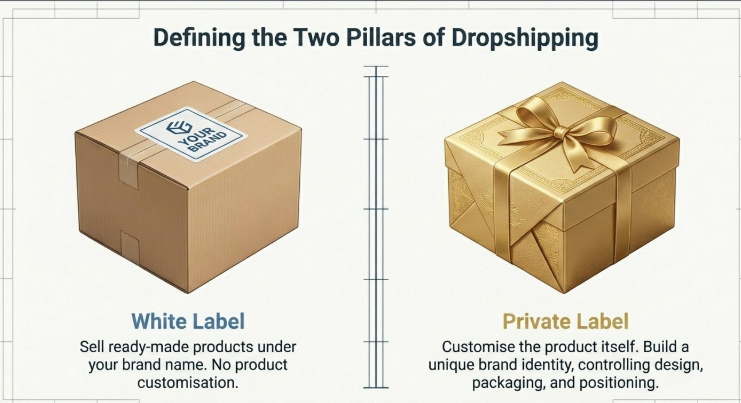
- White label = Sell ready-made products under your brand
- Private label = Customize products and build a unique brand
In 2026, the shift is clear: sellers are moving from white label to private label for better margins and long-term growth.
In this guide, you’ll learn:
- Key differences between private label and white label
- Which model is better for beginners vs scaling
- Real-world use cases
- Costs, pros & cons
- Expert recommendations
Introduction
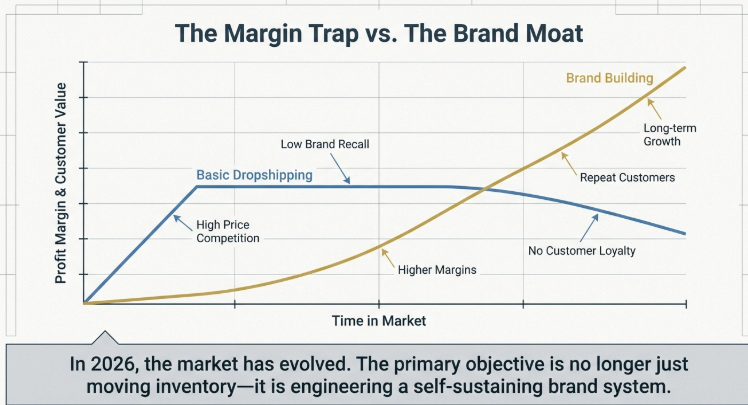
Most Indian dropshippers start with one simple goal: sell products quickly and make profit.
But over time, they face problems like:
- Price competition
- Low brand recall
- No customer loyalty
This is where branding becomes important.
If you're starting with a Fashion dropshipping supplier in India, it’s important to understand how platforms and suppliers work together. You can begin with this guide on shopify dropshipping supplier in india to understand the full ecosystem.
Now let’s break down both models.
What is White Label Dropshipping?
White label dropshipping means:
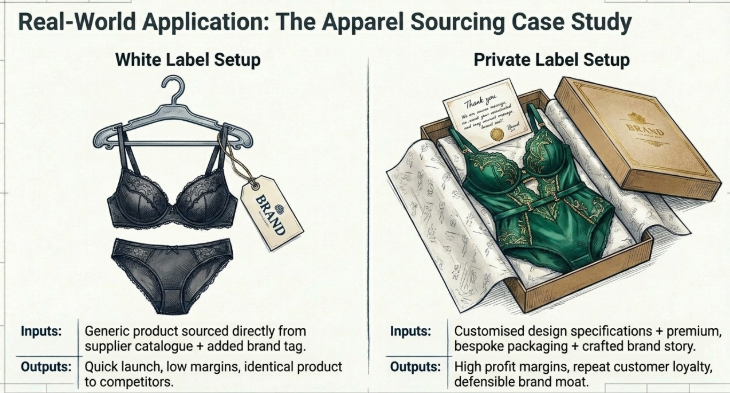
- You sell ready-made products
- You add your brand name/logo
- No product customization
Example:
You sell lingerie sourced from a supplier, but under your own brand name.
👉 Learn more about this model in detail here: white label dropshipping in India
What is Private Label Dropshipping?
Private label dropshipping means:
- You customize products
- You build a unique brand identity
- You control design, packaging, and positioning
Example:
Instead of selling generic lingerie, you:
- Customize design
- Add premium packaging
- Create a brand story
Key Differences: Private Label vs White Label
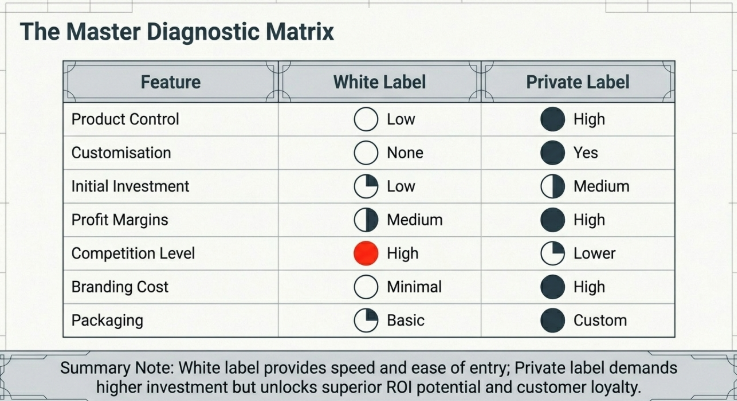
| Feature | White Label | Private Label |
|---|---|---|
| Product Control | Low | High |
| Branding | Basic | Advanced |
| Customization | No | Yes |
| Investment | Low | Medium |
| Competition | High | Lower |
| Profit Margins | Medium | High |
| Best For | Beginners | Scaling brands |
Why Indian Dropshippers Are Shifting to Private Label
In 2026, the market is evolving:
Earlier:
- Focus on selling products
Now:
- Focus on building brands
Why?
- Higher margins
- Customer loyalty
- Less competition
Real-World Example
A seller starts with white label:
- Generic product
- Low margins
- High competition
Then moves to private label:
- Unique packaging
- Brand identity
- Repeat customers
👉 Result: More profit + long-term growth
Platform Strategy: Where These Models Work Best
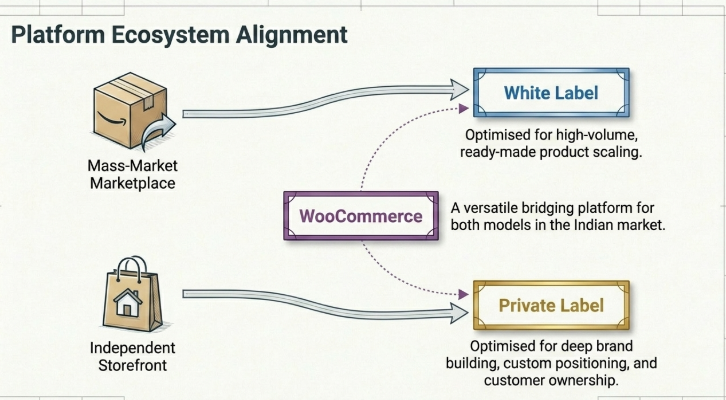
Different platforms support different strategies.
- Amazon → White label + scale
- Shopify → Private label + branding
If you're exploring Amazon, this guide on dropshipping on Amazon in India explains how it works.
For WooCommerce users, you can explore WooCommerce dropshipping in India.
Cost Comparison Table
| Cost Factor | White Label | Private Label |
|---|---|---|
| Initial Cost | Low | Medium |
| Branding Cost | Minimal | High |
| Packaging | Basic | Custom |
| Marketing | Moderate | Strong |
| ROI Potential | Medium | High |
Pros and Cons
White Label Pros
- Easy to start
- Low investment
- Quick product launch
White Label Cons
- High competition
- Limited brand value
- Lower margins
Private Label Pros
- Strong brand identity
- Higher margins
- Customer loyalty
Private Label Cons
- Higher investment
- Longer setup time
- Requires planning
How Snazzyway Supports Both Models
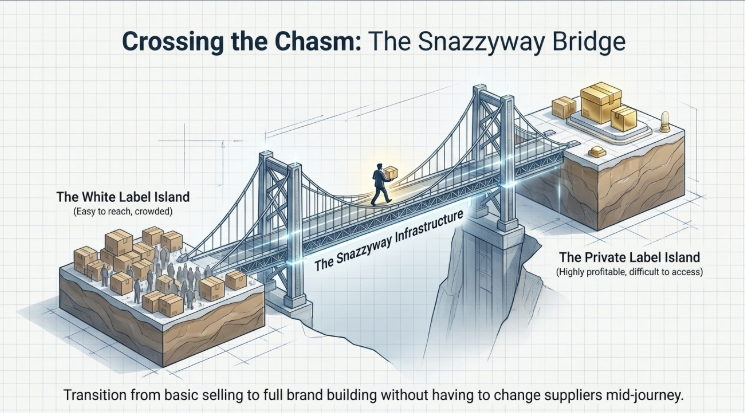
Snazzyway is designed to support sellers at every stage:
For White Label:
- Ready-to-sell products
- Brand labeling support
- Fast fulfillment
For Private Label:
- Custom manufacturing
- Packaging solutions
- Branding support
👉 It helps you move from white label → full brand building
To understand the backend system, explore how Snazzyway dropshipping works.
Advanced Insight: Scaling Strategy
Successful sellers follow this path:
- Start with white label
- Test products
- Move to private label
- Build a brand
Our Recommendation
- Beginners → Start with white label
- Scaling sellers → Move to private label
👉 Best approach: Use both strategically
Our Insight (Expert Opinion)
In 2026, dropshipping is no longer just about selling—it’s about building a brand system.
The winners will be those who:
- Control product quality
- Build brand identity
- Use strong backend systems
Final Thoughts
Private label vs white label is not a choice—it’s a journey.
- White label = Entry point
- Private label = Growth engine
With the right supplier like Snazzyway, you can transition smoothly and build a long-term ecommerce business.
FAQs
1. What is the difference between white label and private label?
White label uses ready-made products, while private label involves product customization and branding.
2. Which is better for beginners?
White label is better because it requires less investment and setup.
3. Is private label more profitable?
Yes, because it offers higher margins and brand value.
4. Can I switch from white label to private label?
Yes, and most successful sellers follow this path.
5. Does Snazzyway support private labeling?
Yes, it offers full customization, branding, and manufacturing support.
6. Is white label dropshipping saturated in India?
It is competitive, which is why branding is becoming important.
7. Which platform is best for private label?
Shopify is generally better for brand building.
8. How long does it take to build a private label brand?
It can take a few weeks to months depending on product and strategy.