What Makes AÉRAE's Positioning Hard to Copy — And What Resellers Can Still Learn
Every reseller who's spent time in India's lingerie category has seen the same pattern play out: a new brand launches, gets noticed for a while on the strength of its aesthetic, and within a year or two starts blending into the same crowded shelf of "bold and empowering" lingerie labels that all sound identical. Positioning erodes fast in this category because most of it is copyable — a moodboard, a tagline, a similar price point, and suddenly three brands are saying the same thing in slightly different fonts.
AÉRAE is worth studying for a different reason. Its core positioning is genuinely harder to replicate than it first appears — not because of some proprietary product feature, but because the difficulty is structural. This piece breaks down exactly why that is, and more importantly, what parts of AÉRAE's approach are actually usable by a reseller building or repositioning their own store, versus what isn't worth trying to copy at all.
First, What AÉRAE Actually Is
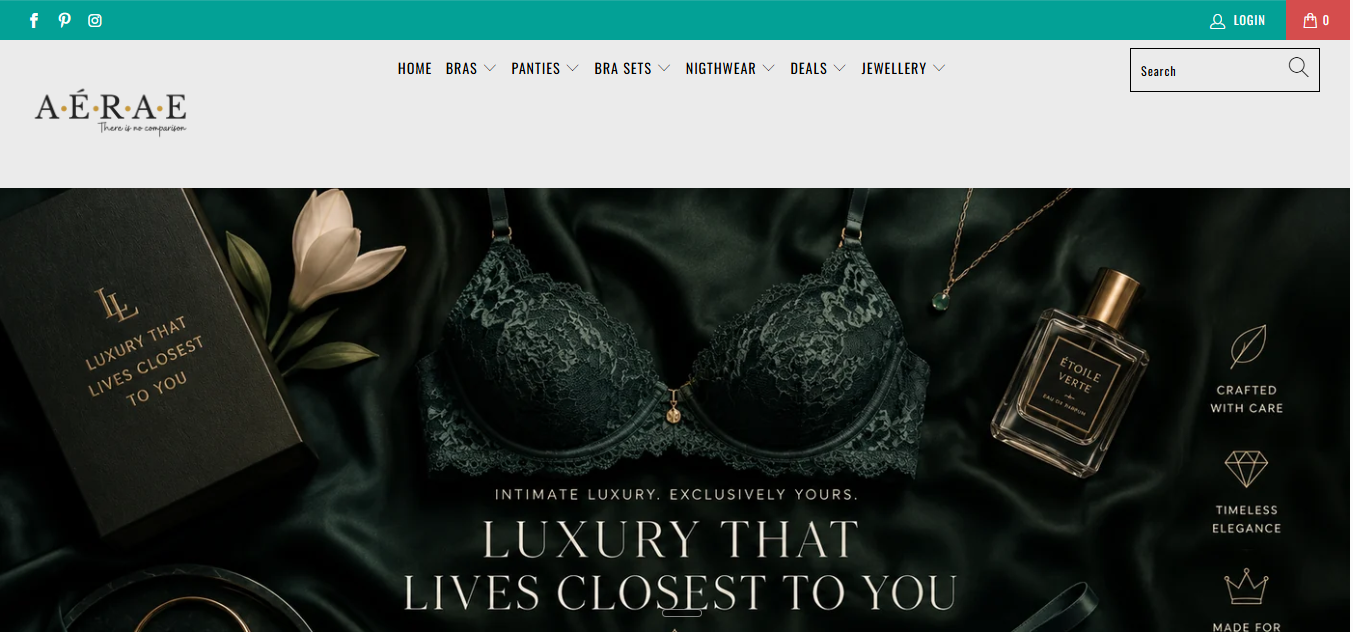
AÉRAE is a contemporary women's fashion brand built around a simple belief: a woman is never just one version of herself — and there is no comparison for who she is, or who she may yet discover. Created for women aged 25–45, the brand invites its customer to explore the sides of herself she already knows, the ones she's curious about, and a few she hasn't fully met yet.
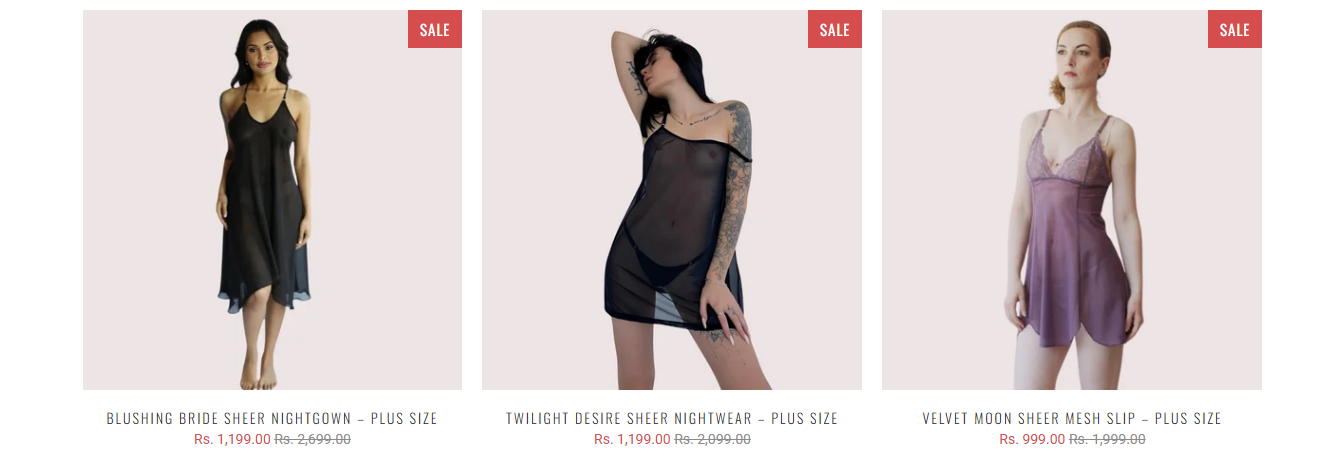
The brand begins with attainable luxury lingerie priced from ₹799 to ₹2,999, and is evolving across women's apparel, with products extending up to ₹9,999. Its own language is direct about what it's not doing: AÉRAE does not ask a woman to become bolder, sexier, or someone new. It reflects what she already loves while gently opening doors to the unexpected. The tagline distills it further — Meet more of yourself.
That's the brand in outline. Now the more useful question for a reseller: why is this specific positioning hard to copy, when so much else in this category isn't?
Reason One: The Positioning Requires Catalog Depth, Not Just Copywriting
Most brand positioning in lingerie lives entirely in marketing copy — a tagline sits on top of a fairly standard catalog, and the "identity" is really just tone of voice. That's exactly why it's so easy to copy: rewrite the tagline, keep the same products, done.
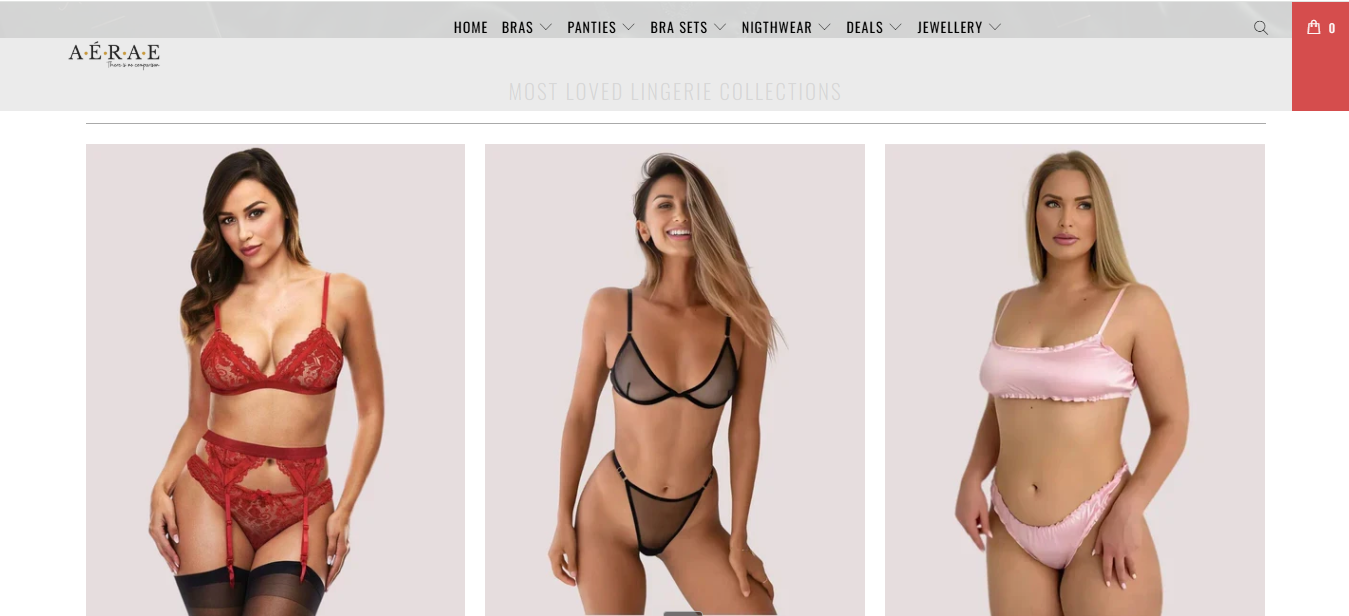
AÉRAE's positioning doesn't work that way, and that's the first reason it resists imitation. The brand's central claim — that a woman contains multiple sides, not one fixed identity — only holds up if the catalog itself spans genuinely different registers. And it does: bras ranging from functional (sports, padded) to expressive (push-up, bikini); nightwear ranging from comfort-first (winter sleep essentials) to overtly sensual (see-through, roleplay-themed); bra sets ranging from everyday cotton basics to a dedicated silk line. Add intimate jewellery — chokers, earrings, rings, necklaces — designed specifically to pair with lingerie looks rather than stand alone as generic fashion jewellery.
A competitor can copy the tagline in an afternoon. Building a catalog wide enough to make that tagline credible — spanning functional to expressive to purely aesthetic categories, while staying coherent as one brand — takes considerably longer, and most resellers underestimate how much of the "identity" is actually doing product-range work rather than copywriting work.
The lesson for resellers: if you're building a store positioning around a big identity claim, check whether your actual catalog supports that claim before you lean on it in your marketing. A tagline that isn't backed by product range reads as empty within a few product pages.
Reason Two: The Pricing Has to Do Two Jobs at Once
AÉRAE's ₹799–₹2,999 lingerie range is often read as "just" a mid-tier price band, but it's actually solving two problems simultaneously, and getting that balance wrong in either direction breaks the whole model.
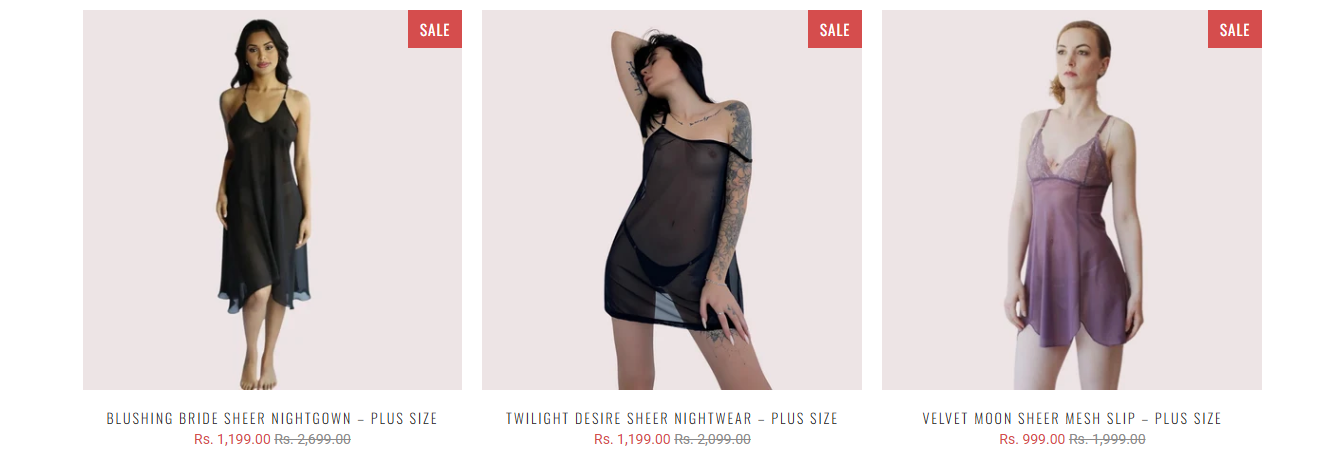
Price too low, and the "luxury" half of "attainable luxury" collapses — the brand starts reading as budget, undermining the curated, elevated feel the self-discovery positioning depends on. Price too high, and the "attainable" half collapses — a woman can't treat exploring a new mood as a routine purchase, which is the entire point of a philosophy built around ongoing self-discovery rather than a single splurge. AÉRAE's ₹799 floor keeps the entry barrier low; its ₹2,999 ceiling on lingerie keeps the category from drifting into commodity territory. As the brand expands into apparel priced up to ₹9,999, that same "elevated but reachable" logic carries forward rather than starting a disconnected new pricing tier.
This is harder to copy than it looks because most resellers price reactively — matching competitors, or working backward from margin targets — rather than pricing around a specific psychological outcome the way AÉRAE appears to. Getting a pricing band to simultaneously signal quality and permit frequent, low-friction purchasing is a narrower target than it sounds.
The lesson for resellers: before setting a price band, get specific about what behavior you want the price to produce — a rare splurge, or a routine purchase — because the two require genuinely different price points, not just "somewhere in the middle."
Reason Three: Mood-Based Merchandising Is an Operating Discipline, Not a Display Choice
Most lingerie sellers — especially marketplace-first ones — organize their catalog by product type and price filter: bras here, panties there, sorted by price low to high. It's the default because it's the easiest structure to maintain.
AÉRAE organizes its store differently: collections like the Luxury Garter Belt Collection, Silk Bra Sets, and Winter Sleep Essentials are built around mood and theme rather than product category alone. This is a genuinely different merchandising philosophy, more common among premium D2C fashion brands than in the broader Indian lingerie market — and it's harder to copy than it looks, because it isn't a one-time setup decision. Every new product has to be evaluated against "which mood does this serve" as much as "which category does this belong to," and every new collection has to reinforce the same handful of emotional registers rather than drift into unrelated territory. That's an ongoing discipline applied at every merchandising decision, not a template you install once.
The lesson for resellers: if you want to merchandise by theme rather than category, decide on your core themes early and audit every new product addition against them — otherwise the structure quietly reverts to category-and-price sorting within a few months, which defeats the purpose.
Reason Four: The Brand Voice Has to Stay Consistent Across Very Different Products
Here's a tension most multi-category lingerie brands never fully solve: how do you sell winter loungewear and roleplay-themed nightwear under one coherent voice without one category undercutting the tone of the other? Swing too far toward the sensual end of the catalog in your marketing, and the comfort-first buyer feels alienated. Swing too far toward comfort-first messaging, and the brand loses the more expressive customer entirely.
AÉRAE's answer is to route every category through the same underlying lens — self-discovery, not reinvention — so a comfort-first cotton set and a bolder statement piece are both framed as facets of the same idea rather than two different brands sharing a logo. This is genuinely difficult to execute consistently, and it's the reason a lot of brands that claim to be "for every side of you" never actually deliver on that claim in practice — the tagline exists, but the tone shifts jarringly once you scroll from one category to the next.
The lesson for resellers: if your catalog spans a wide emotional or stylistic range, test whether your product descriptions and marketing read as one coherent voice across categories — or whether they read like different writers handled different sections. That inconsistency is usually what breaks a "we're for everyone" positioning before the products themselves do.
What's Actually Copyable Here
Not everything about AÉRAE's approach requires years of brand-building to replicate. A few elements are genuinely accessible to a reseller building or refreshing a store today:
The reframe from reinvention to recognition. You don't need AÉRAE's exact catalog to borrow this positioning shift in your own copywriting — describing products as reflecting what a customer already likes, rather than promising to transform her, is a copy-level change any store can test.
Auditing catalog range honestly. Before claiming a "something for every mood" positioning, an honest internal audit of whether your current catalog actually spans functional-to-expressive-to-aesthetic categories is something any reseller can do this week, with no new sourcing required.
Starting a mood-based collection alongside existing category pages. You don't need to rebuild your entire storefront structure — a single themed collection (a "Soft Essentials" edit, for instance) run alongside your standard category pages is a low-risk way to test whether mood-based merchandising resonates with your customer base before committing further.
What's Not Worth Trying to Copy Directly
The parts of AÉRAE's positioning that are structurally difficult — the catalog breadth required to make the identity claim credible, the precision pricing band, the ongoing merchandising discipline — aren't shortcuts a reseller can install overnight. Attempting to copy the surface (the tagline, the aesthetic) without the underlying catalog and pricing discipline behind it tends to produce exactly the kind of hollow positioning this piece opened with: a brand that sounds distinctive for a few months before blending back into the shelf.
The more useful takeaway isn't "copy AÉRAE" — it's recognizing that durable positioning in this category is usually a product and pricing decision wearing a marketing sentence, not the other way around.
The Bigger Picture for Resellers
AÉRAE's case is a useful reminder that in India's increasingly crowded lingerie market, the brands that hold their positioning longest tend to be the ones where the identity claim is backed by structural decisions — catalog range, pricing logic, merchandising discipline, consistent voice — rather than resting on copywriting alone. That's a harder brand to build, but it's also a harder brand to displace once it's built, which is exactly the kind of positioning worth studying even if it isn't the kind worth copying wholesale.
FAQs
What makes AÉRAE's brand positioning difficult to copy?
The positioning depends on catalog depth (spanning functional to expressive to aesthetic categories), a precisely calibrated pricing band, and ongoing mood-based merchandising discipline — none of which can be replicated through copywriting alone.
Can a smaller reseller apply any part of AÉRAE's strategy?
Yes — the reframe from "become someone new" to "recognize who you already are" is a copywriting-level shift any store can test, and a single mood-based collection can be trialed without restructuring an entire storefront.
Why does AÉRAE's pricing sit between ₹799 and ₹2,999 specifically?
That range is designed to do two jobs at once — stay low enough to support frequent, low-friction purchases while staying high enough to preserve a curated, elevated feel, which is the balance "attainable luxury" positioning depends on.
Is mood-based merchandising better than organizing a catalog by product type?
It's not universally better — it's a different strategy that requires more ongoing discipline to maintain, since every new product must be evaluated against a brand's core themes rather than simply sorted by category and price.
Should resellers try to copy AÉRAE's exact catalog structure?
Not directly. The catalog breadth and pricing precision behind AÉRAE's positioning took deliberate structural decisions to build — copying only the surface-level tagline or aesthetic tends to produce a positioning that doesn't hold up over time.