Which Is Better for Clothing Dropshipping in India: Shopify or Amazon?
Q: Shopify vs Amazon—what’s actually better for clothing dropshipping in India?
For most beginners, Shopify is better for long-term brand building and higher margins, while Amazon is better for quick sales and built-in traffic. The best results often come from starting with Shopify and expanding to Amazon later—especially when operations are supported by a reliable Clothing dropshipping supplier in India
Quick Summary
If you’re starting clothing dropshipping in India, the Shopify vs Amazon decision will define your margins, control, and scalability. Shopify gives you full brand ownership, better margins, and long-term growth, while Amazon offers instant traffic and faster initial sales but tighter margins and more competition.
Successful brands don’t choose one forever—they start with Shopify for branding and add Amazon later for scale. This hybrid approach works best when your backend is stable.
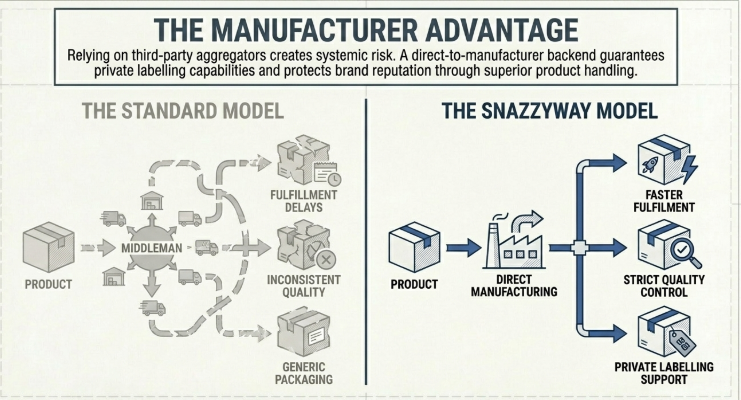
That’s where a supplier like Snazzyway helps—12+ years in business, 4000+ sellers, manufacturer-backed, and a dedicated backend system—so you can focus on growth, not operations.
In this guide, you’ll learn:
- Shopify vs Amazon: real comparison
- Costs, margins, and scalability
- Best strategy for beginners
- When to use both platforms together
Introduction
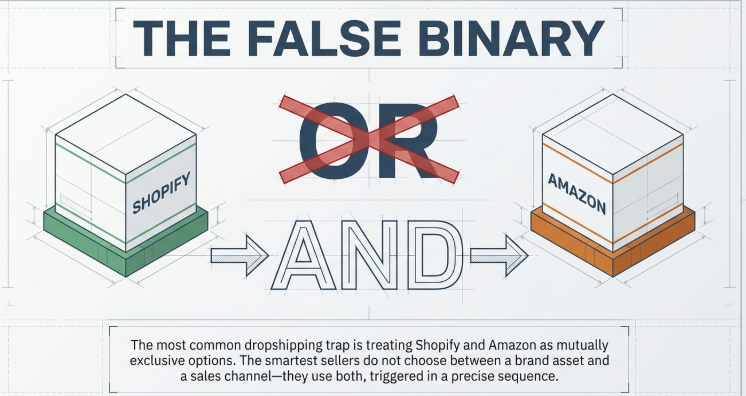
Most beginners ask:
👉 “Should I start with Shopify or Amazon?”
But that’s the wrong question.
The real question is:
👉 “What kind of business do you want to build?”
- A brand with long-term value → Shopify
- A sales channel for quick cash flow → Amazon
The smartest sellers use both—but in the right order.
Shopify vs Amazon: Core Difference
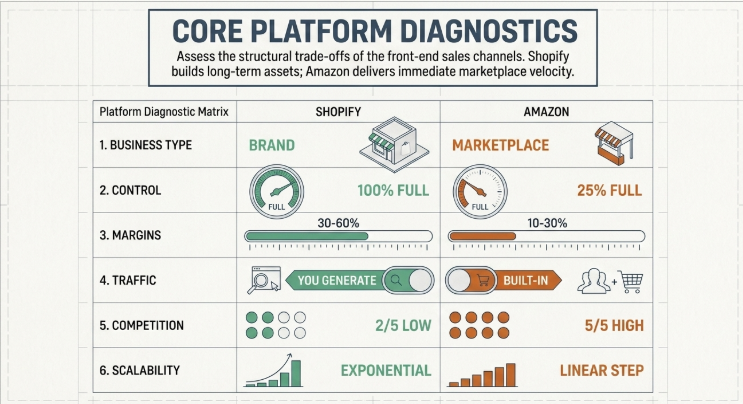
| Factor | Shopify | Amazon |
|---|---|---|
| Business Type | Brand | Marketplace |
| Control | Full control | Limited control |
| Traffic | You generate | Amazon provides |
| Competition | Moderate | Very high |
| Margins | Higher | Lower |
| Scalability | High | Medium |
Shopify for Clothing Dropshipping
Shopify is ideal if you want to build a real brand.
Why Shopify Works
- Full control over pricing
- Custom branding
- Better profit margins
- Long-term asset building
If you're starting from scratch, understanding how to start dropshipping on Shopify
Amazon for Clothing Dropshipping
Amazon is ideal for quick traction.
Why Amazon Works
- Built-in traffic
- High trust factor
- Faster sales
If you plan to expand, learning how to dropship on Amazon in India
Real Cost & Margin Comparison
| Cost Element | Shopify | Amazon |
|---|---|---|
| Setup Cost | Low | Low |
| Platform Fees | Monthly | Commission per sale |
| Ad Spend | Optional | Often required |
| Profit Margin | 30–60% | 10–30% |
👉 Shopify wins in margins
👉 Amazon wins in traffic
Backend: The Most Underrated Factor
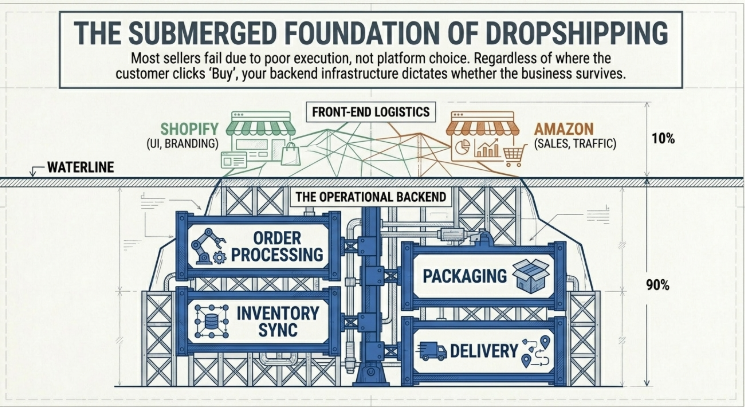
Most comparisons ignore this—but it’s critical.
No matter which platform you choose, your backend decides your success.
This includes:
- Order processing
- Inventory sync
- Packaging
- Delivery
Why Snazzyway Stands Out
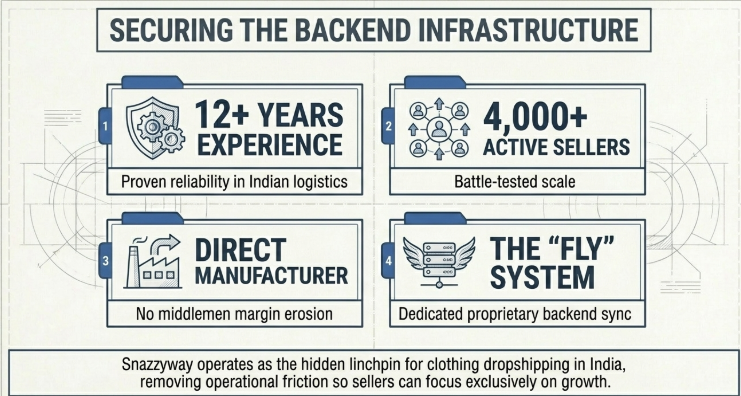
Snazzyway is one of India’s most reliable clothing dropshipping suppliers.
Key Advantages
- 12+ years of experience
- 4000+ active sellers
- Manufacturer (not middleman)
- Dedicated backend system (Fly)
- Private labeling support
This means:
👉 Faster fulfillment
👉 Better product quality
👉 Smooth scaling
To understand their system, explore how Snazzyway dropshipping works
Best Strategy (What Actually Works in 2026)
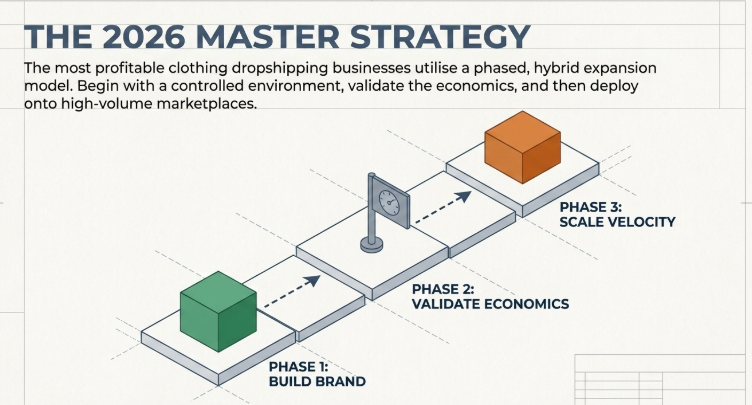
Step 1: Start with Shopify
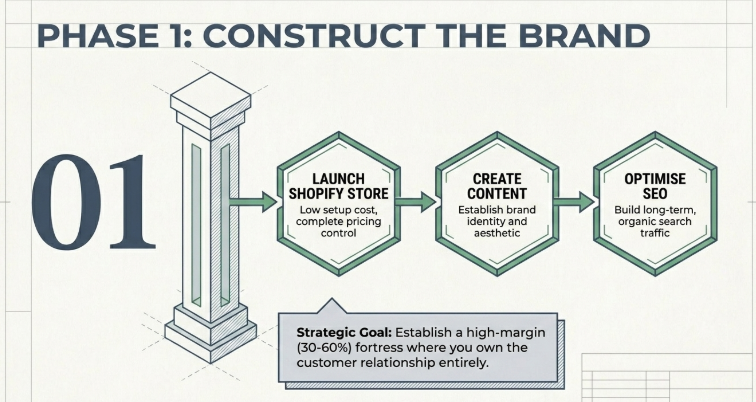
- Build brand
- Create content
- Optimize SEO
Step 2: Validate Products
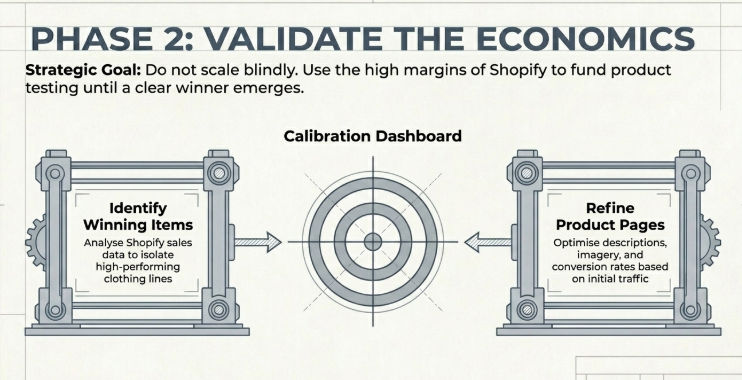
- Identify winning items
- Improve product pages
Step 3: Expand to Amazon
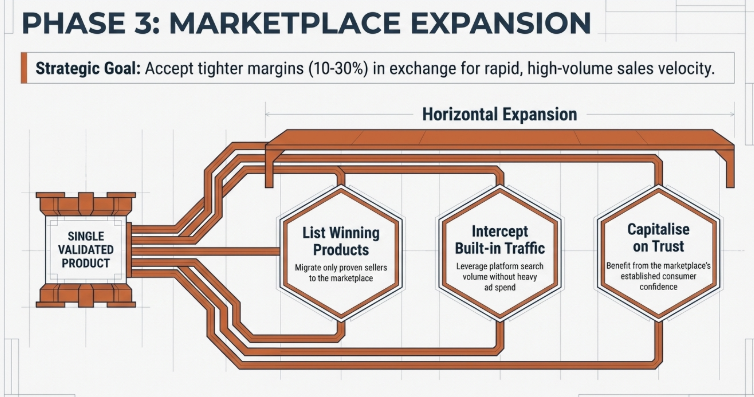
- List winning products
- Use marketplace traffic
Platform Flexibility
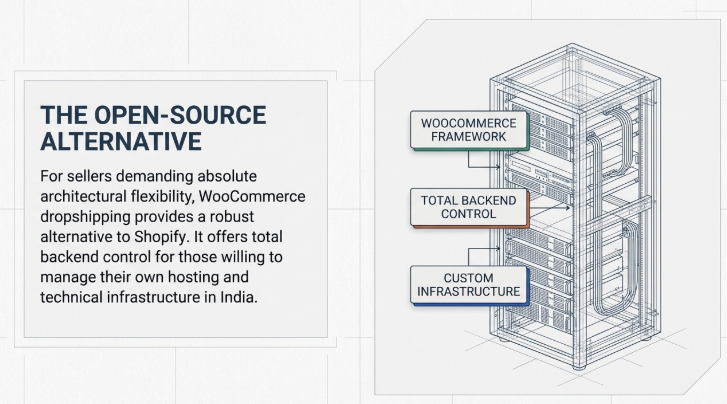
Some sellers also prefer flexibility with open-source platforms.
For example, WooCommerce dropshipping in India
is a strong alternative for those who want more control.
Pros and Cons
Shopify
✅ Pros
- High margins
- Brand control
- Long-term growth
❌ Cons
- Requires marketing effort
- Slower start
Amazon
✅ Pros
- Instant traffic
- Fast sales
- Trust factor
❌ Cons
- Low margins
- High competition
- Limited branding
Our Recommendation
👉 Start with Shopify
👉 Build your brand
👉 Add Amazon later
And most importantly:
👉 Choose a strong backend partner from day one
Our Insight
Most sellers fail not because of platform choice—but because of poor execution.
The winning formula is simple:
Brand (Shopify) + Traffic (Amazon) + Backend (Snazzyway)
This combination creates a scalable and sustainable business.
FAQs
1. Which is better for beginners, Shopify or Amazon?
Shopify is better for long-term growth, while Amazon is easier for quick sales.
2. Can I use both Shopify and Amazon together?
Yes, many successful sellers start with Shopify and expand to Amazon.
3. Which platform gives higher profit margins?
Shopify generally offers higher margins compared to Amazon.
4. Is Amazon good for clothing dropshipping?
Yes, but competition is high and margins are lower.
5. Why is backend important in dropshipping?
Backend ensures smooth order processing, delivery, and customer satisfaction.
6. What makes Snazzyway different?
It’s a manufacturer-backed supplier with 12+ years experience, 4000+ sellers, and a dedicated backend system.
7. Can I start without a supplier?
No, a reliable supplier is essential for product quality and fulfillment.
8. How long does it take to succeed?
Typically 3–6 months with consistent effort and the right strategy.